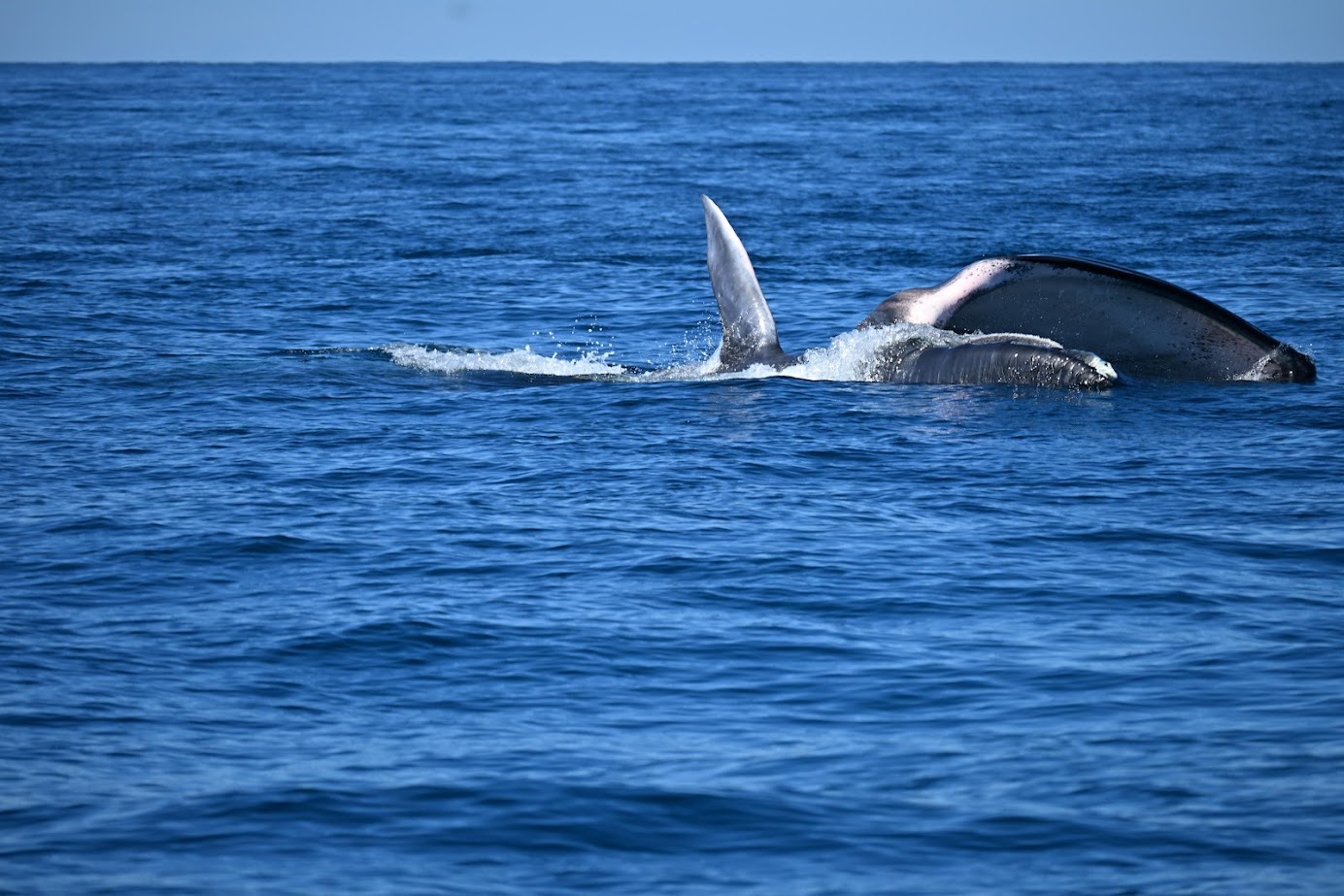
Humpback Whales in Madagascar: Migration, Behavior & Facts 2026
Every year, one of the greatest wildlife migrations on Earth takes place in the Indian Ocean.
Thousands of humpback whales travel thousands of kilometers from the cold waters of Antarctica to the warm tropical waters surrounding Madagascar. This incredible journey brings these majestic marine mammals to Madagascar’s coastline, where they reproduce, give birth, and raise their calves.
For travelers visiting Madagascar between July and November, witnessing humpback whales in their natural environment is one of the most unforgettable experiences the island has to offer.
But these giants of the ocean are much more than a spectacular sight. Their migration, communication, social behavior, and survival strategies reveal one of nature’s most fascinating stories.
At Safari Baleine, our guides have spent over 17 seasons on the water observing these animals, and this guide draws on that field experience to explain everything you need to know about humpback whales in Madagascar.

What Are Humpback Whales?
Humpback whales (Megaptera novaeangliae) are among the largest animals on Earth. They belong to the baleen whale family, meaning they do not have teeth. Instead, they filter food from seawater using baleen plates located inside their mouths.
Adult humpback whales can reach:
- 12 to 16 meters in length
- 25 to 40 tons in weight
Despite their enormous size, humpback whales are known for their graceful movements and complex social behaviors.
Why Do Humpback Whales Come to Madagascar?
Madagascar is an essential destination in the annual migration cycle of southern hemisphere humpback whales.
During the Antarctic summer, whales feed in rich polar waters where food is abundant. When winter arrives in Antarctica, they migrate north toward warmer tropical waters. The main reasons they come to Madagascar are:
1. Reproduction — warm tropical waters provide safer conditions for mating.
2. Giving birth — newborn calves are vulnerable because they are born with less body fat. The warm waters around Madagascar help calves conserve energy while they grow.
3. Protecting young calves — mothers stay close to their calves during the first months of life, teaching them how to swim and survive.
Season after season, our team at Safari Baleine sees this same pattern repeat around Nosy Be’s channels — a reminder of just how precisely these animals time their journey.
The Incredible Migration Journey
Humpback whales are famous for their extraordinary migrations. Some populations travel more than 8,000 kilometers between feeding grounds and breeding areas.
The Madagascar population belongs mainly to the southern hemisphere humpback whale population. Their journey follows a natural cycle:
Antarctic feeding season — during the southern summer, whales feed intensively, build energy reserves, and prepare for migration.
Migration north — around June and July, whales begin leaving Antarctica and travel toward warmer waters.
Madagascar breeding season — from July to November, whales reproduce, mothers give birth, and calves learn survival skills.
Return south — around November and December, whales begin returning toward Antarctica.
Humpback Whale Behavior You Can Observe in Madagascar
One of the reasons whale watching in Madagascar is so special is the possibility of witnessing natural behaviors. During an excursion, visitors may observe the following.
Breaching: When Whales Jump Out of the Water
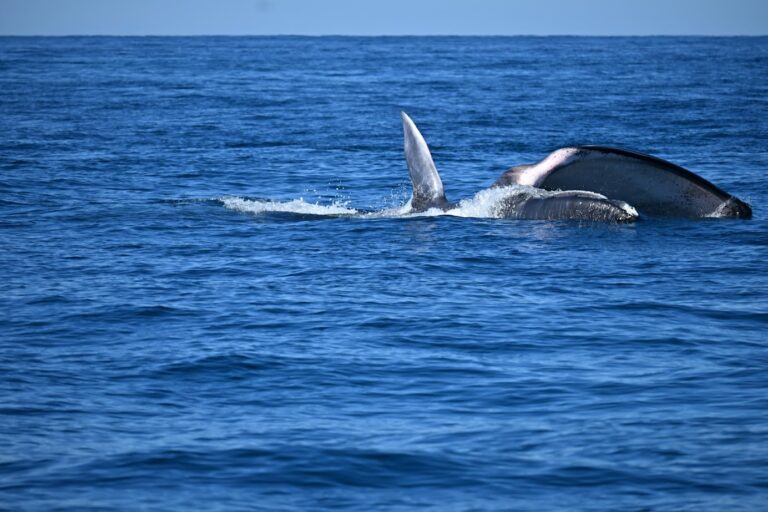
Breaching is one of the most spectacular whale behaviors. A whale launches part or all of its body above the surface before falling back into the ocean.
Scientists believe breaching may be used for communication, removing parasites, social interaction, or displaying strength.
Seeing a 30-ton animal jump from the ocean is an unforgettable experience — and one our guides know how to anticipate, based on wind, swell, and the whale’s earlier movements.

Tail Slapping
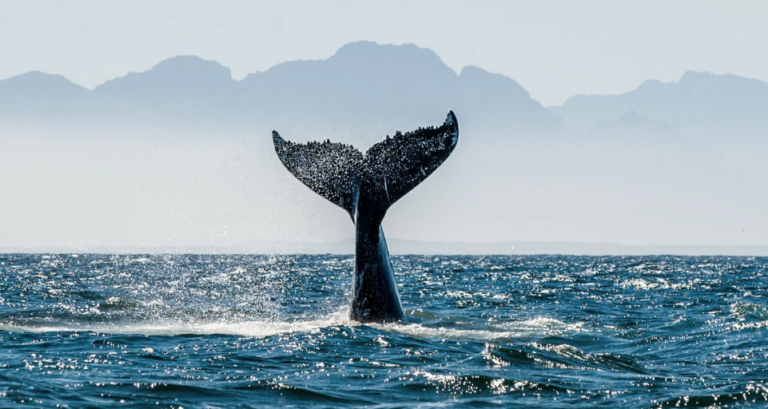
Tail slapping happens when a whale raises its powerful tail and strikes the water. This behavior may serve different purposes: communication, warning signals, or social interaction. The sound can travel great distances underwater.
Singing: The Famous Whale Songs
Male humpback whales are famous for their complex songs. These songs can last several minutes, sometimes hours, and are among the most complex sounds produced by any animal.
Scientists believe whale songs are related to attracting females, communication, and social behavior. During certain conditions, visitors may even hear whale sounds underwater — something our crews sometimes pick up directly through the hull during a calm-water excursion.
Mothers and Calves
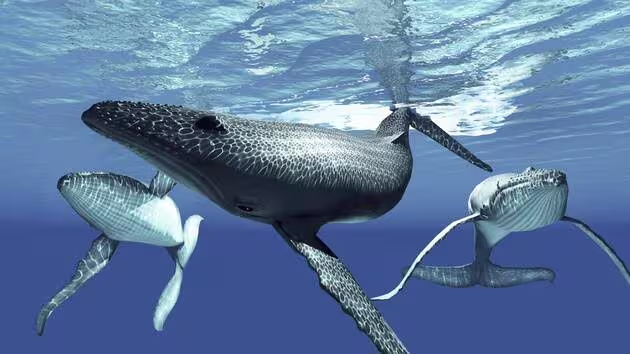
One of the most emotional encounters during whale watching is seeing a mother with her calf. Newborn calves must quickly learn how to swim, how to breathe correctly, and how to follow their mother.
A mother whale can be extremely protective. Observing this relationship — always from a respectful distance, as our guides are trained to maintain — is one of the most memorable wildlife experiences in Madagascar.

Where Can You See Humpback Whales in Madagascar?
Several locations offer whale watching opportunities.
Nosy Be
Nosy Be is one of the best destinations for combining whale watching with a tropical holiday. Advantages include beautiful islands, calm waters, rich marine biodiversity, and easy access to excursions. It’s also where Safari Baleine has run its excursions for the past 17 years, giving our team an intimate knowledge of the whales’ favorite channels around the island.
Visitors can combine whale watching with Nosy Iranja, Nosy Komba, snorkeling, and island exploration.
Sainte-Marie Island
Sainte-Marie is another famous whale watching destination. The island is especially known for large numbers of humpback whales gathering during migration season.
Fort Dauphin
Located in southern Madagascar, Fort Dauphin offers opportunities for visitors seeking a more remote experience.
Are Humpback Whales Dangerous?
Despite their enormous size, humpback whales are generally peaceful animals. They do not hunt humans. Their diet consists mainly of krill, small fish, and plankton.
However, they remain wild animals and must always be observed respectfully. Responsible whale watching means keeping a safe distance, avoiding disturbing animals, and allowing whales to control the interaction — a principle our guides apply on every single excursion, regardless of how close a whale naturally comes to the boat.
How Long Do Humpback Whales Stay in Madagascar?
Humpback whales usually remain around Madagascar for approximately 4 to 5 months. The main season is July to November. The exact timing can vary depending on ocean conditions, whale population, and migration patterns.
Why Whale Conservation Matters
Whales play an important role in ocean ecosystems. Protecting humpback whales helps preserve marine biodiversity, ocean health, and future generations of wildlife.
Responsible tourism can contribute to conservation by supporting local communities, educating visitors, and creating economic value for protecting marine environments. It’s a principle Safari Baleine has built its excursions around since day one: choosing responsible whale watching operators helps ensure that these magnificent animals remain protected.
Safari Baleine: Sharing Madagascar’s Marine Wonders
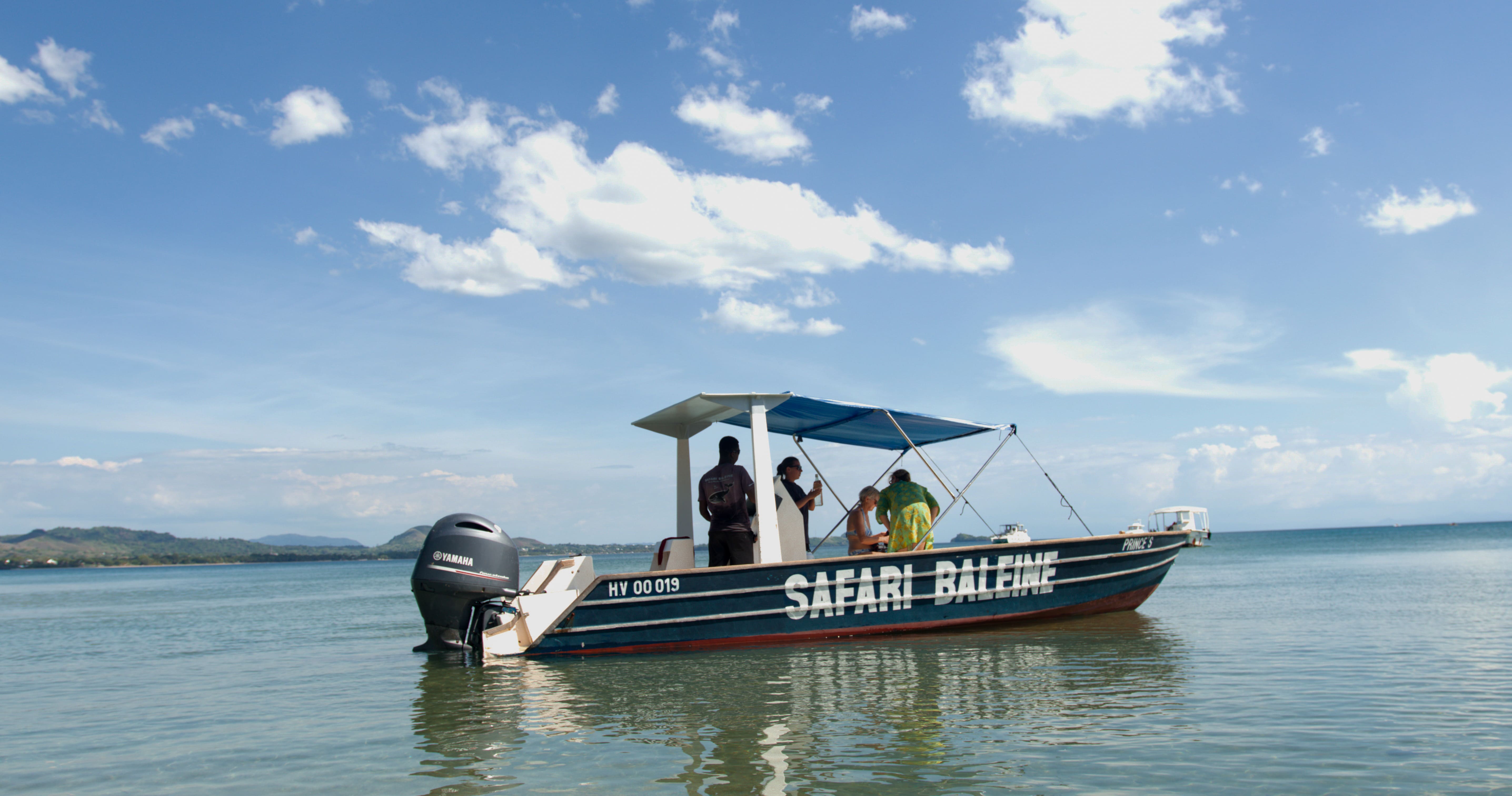
For more than 17 years, Safari Baleine has specialized in marine wildlife excursions around Nosy Be. Our mission is to help travelers experience the beauty of Madagascar’s ocean while respecting marine life.
During humpback whale season, our local team takes visitors to discover these incredible animals in their natural environment. Our excursions focus on responsible observation, local expertise, safety, and unforgettable experiences.
Every whale encounter is unique, and every trip creates memories that last a lifetime.
🐋 Discover humpback whales with the team that knows them best
See our whale excursions in Nosy Be →
Want to know more before booking? Download our free Nosy Be guide
Already on the island? Call us at +261 32 74 902 80
Frequently Asked Questions
When can you see humpback whales in Madagascar?
Humpback whales can usually be seen from July to November, with peak activity between August and October.
Why do whales migrate to Madagascar?
They migrate to Madagascar’s warm waters to reproduce, give birth, and raise their calves.
How big are humpback whales?
Adult humpback whales can reach 12–16 meters long and weigh up to 40 tons.
Are humpback whales endangered?
Humpback whale populations have recovered significantly after international protection, but they still face threats such as climate change, pollution, and human activity.
Where is the best place to see humpback whales in Madagascar?
Nosy Be and Sainte-Marie are among the best locations for whale watching in Madagascar.
Conclusion
Humpback whales in Madagascar represent one of nature’s greatest spectacles.
Every year, these ocean giants return to Madagascar’s warm waters to continue their incredible life cycle. From powerful breaches to peaceful encounters between mothers and calves, whale watching offers a rare opportunity to connect with the natural world.
For travelers searching for unforgettable wildlife experiences, discovering humpback whales in Madagascar is an adventure unlike any other. And among the best places to experience this phenomenon, Nosy Be — explored season after season by our team at Safari Baleine — remains one of Madagascar’s most remarkable destinations.