Responsible Whale Watching in Madagascar: How To Choose an Operator
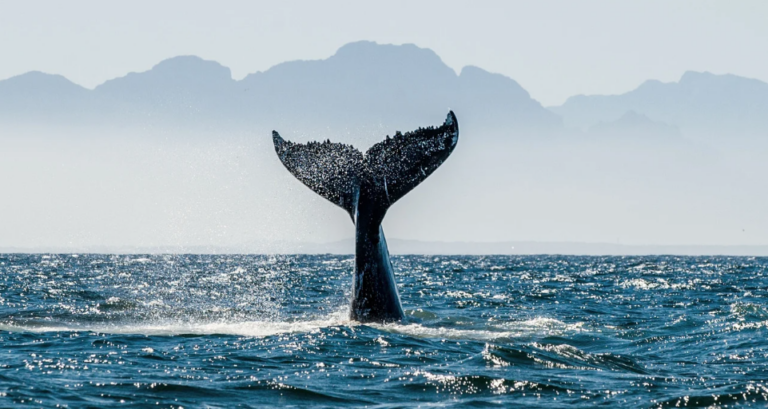
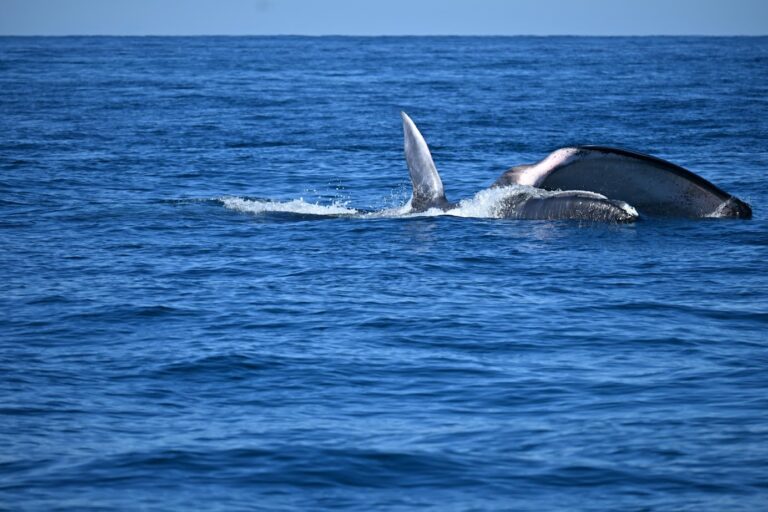
Every year, humpback whales travel thousands of kilometers to Madagascar to breed and raise their calves. Watching them is a privilege, and how you watch matters as much as whether you see them.
Not all whale watching trips are the same. The difference between a responsible outing and a careless one affects the animals, the quality of your experience, and the future of the sightings themselves.
This guide explains what responsible whale watching looks like and the questions to ask before you book.

Why Responsible Whale Watching Matters
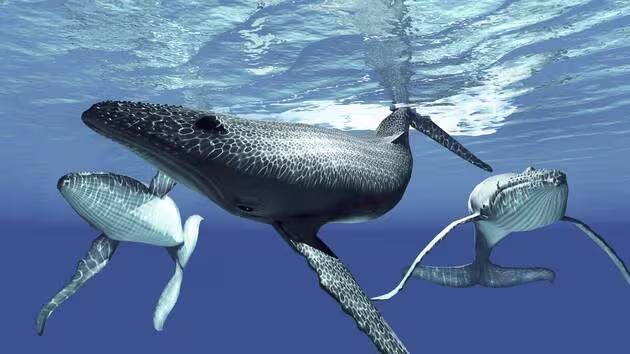
Humpback whales come to Madagascar specifically to mate, give birth, and raise their young in warm, protected waters. Mothers and calves are especially sensitive to disturbance, and newborn calves are still learning to swim and breathe.
Responsible tourism can contribute to conservation by supporting local communities, educating visitors, and creating economic value for protecting marine environments. Poor practice does the opposite.
1. Group Size and Boat Size
Smaller boats are quieter, easier to maneuver, and more respectful of the animals. They are also better for you: fewer people means more room to look, more calm when the boat slows down, and a guide who can speak to everyone.
Ask how many passengers the boat carries. Safari Baleine’s boats carry a maximum of 12 people, which is a deliberate choice.
2. Distance and Boat Behavior
A responsible operator keeps a respectful distance, especially from mothers with calves, and lets the whales decide whether to come closer. Signs of good practice include:
- The boat slows down and approaches gradually.
- The boat never chases, cuts off, or crowds a whale.
- The number of boats around one animal or group stays limited.
- The engine is cut or kept low when whales are close.
- The guide explains what is happening and why.

3. Trained Local Guides
Experienced local guides understand whale behavior: how a pod moves, when to wait, and when to leave an animal alone. They read the surface, the wind, and the swell, and they brief guests before leaving the dock.
Local guides also bring knowledge of the community and the ecosystem that no brochure can offer.
4. Honest Expectations
Whales are wild animals. A responsible operator never guarantees a sighting, and never pressures a boat to get closer to « deliver » one. If a company promises you a close encounter with certainty, that is a reason to be careful.

5. A Real Commitment to Conservation
The best operators contribute to protecting what they show. This can mean taking part in regional guidelines, supporting research, or working with conservation organizations.
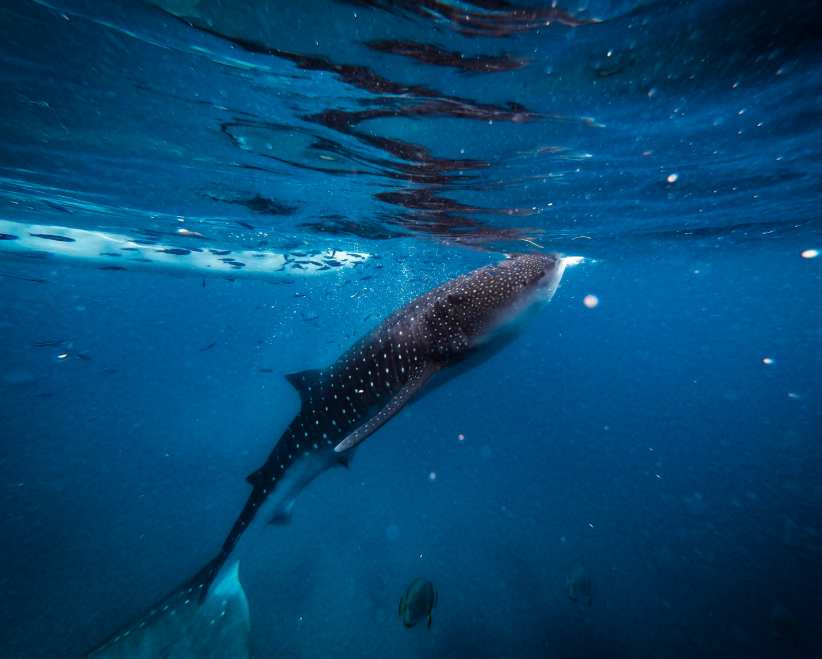
Safari Baleine, for example, helped write the region’s official whale shark approach charter, is a member of Mada Mega Fauna (an association dedicated to protecting the Mozambique Channel’s largest marine species), and has hosted international volunteers collecting research data through the Madagascar Whale Shark Project since 2018.
Questions To Ask Before You Book
✓ How many people does the boat carry?
✓ How close do you approach whales, and what are your rules?
✓ Do you limit the time and the number of boats near an animal?
✓ Are your guides local and trained in marine wildlife observation?
✓ Do you guarantee a sighting? (A good answer is no.)
✓ Do you take part in conservation or research?
✓ What is included, and what is the plan if the weather changes?
What You Can Do as a Visitor
- Follow the guide’s instructions at all times.
- Stay calm and quiet when whales are close. Sudden noises and movements can disturb them.
- Do not throw anything into the water, and take your waste back with you.
- Choose operators who put the animals first, even if they are not the cheapest option.
- Let the experience unfold. Not every outing is the same, and that is part of the point.
💡 Planning your whale watching trip? Download our free Nosy Be guide for a ready-made itinerary.
Whale Watching With Safari Baleine
Safari Baleine has been running marine wildlife excursions around Nosy Be since 2006. Our mission is to help travelers experience the beauty of Madagascar’s ocean while respecting marine life.
During humpback whale season, our local team takes visitors to discover these animals in their natural environment, with small groups, local expertise, and respect for the whales at every step.
🐋 Observe whales the responsible way
See our safaris and excursions →
Not sure about your dates yet? Download our free Nosy Be guide
Already on the island? Call us at +261 32 74 902 80
Frequently Asked Questions
What is responsible whale watching?
Observing whales at a respectful distance, without chasing or crowding them, with trained guides and small boats, and with a commitment to protecting the animals.
How can I tell if an operator is responsible?
Ask about group size, distances, guide training, and conservation involvement, and be careful of any operator that guarantees a sighting.
Is it better to choose a small boat?
Small boats are generally quieter and less disruptive for the animals, and they offer a more personal experience for passengers.
Can I swim with humpback whales in Madagascar?
Ask your operator about their rules. Responsible operators prioritize the animals’ wellbeing and follow local guidelines.
When is whale season in Nosy Be?
Humpback whales can usually be seen from July to November.
Final Thoughts
The most beautiful whale encounters are rarely the loudest or the closest. They are the ones where the animal stays calm, the boat stays quiet, and everyone aboard understands that they are a guest.
Choose an operator who shares that view, and the ocean will do the rest.