A few minutes by boat from Nosy Be
A few minutes by boat from Nosy Be, there is an island with no cars, no traffic, and a reputation that travels far beyond Madagascar: Nosy Komba, the « Lemur Island ».
It is small, green, and easy to reach. It is also one of the best ways to add a different kind of day to your Nosy Be trip: wildlife on land, a village to walk through, and a taste of everyday Malagasy life.
This guide explains what to expect on Nosy Komba, how to get there, how to meet the lemurs respectfully, and how to combine the island with the rest of your stay.

What Is Nosy Komba?
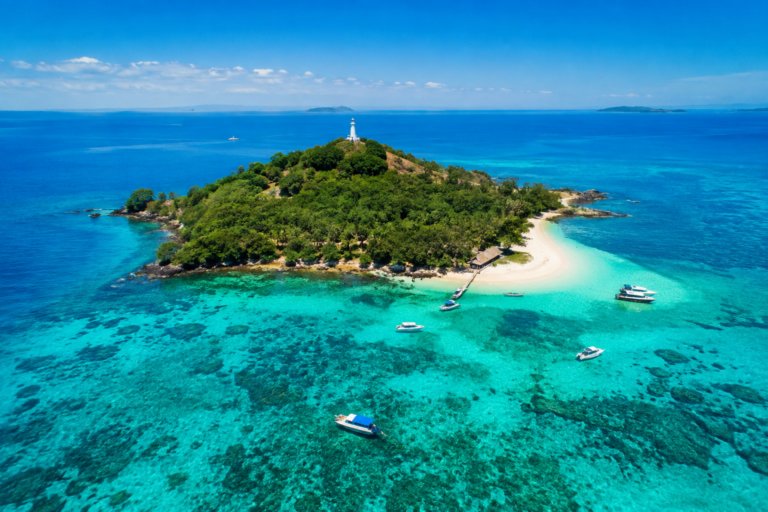
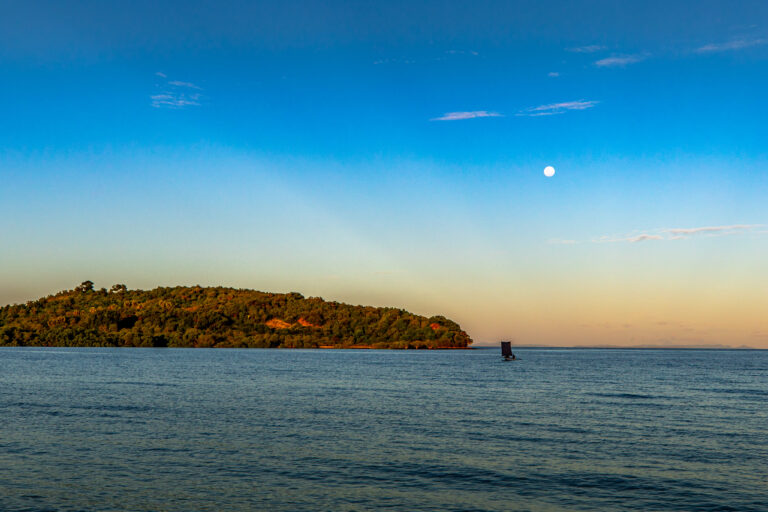
Nosy Komba is a small volcanic island in the Mozambique Channel, between Nosy Be and the Madagascar mainland. Seen from above, it is almost circular, and it measures roughly eight kilometers across.
Its largest village, Ampangorina, is where most visitors land. From there, you explore on foot: the island has no roads for cars, which gives it a calm, slow rhythm that is a world away from the busier parts of Nosy Be.
Nosy Komba is also a working community. Fishing, small-scale crafts, and village life are part of what you see, not a show put on for visitors.
How To Get To Nosy Komba From Nosy Be
Nosy Komba is reached by boat. The crossing from Nosy Be usually takes around 20 to 30 minutes, depending on the departure point, the type of boat, and sea conditions.
There are two common ways to visit:
- As part of a day excursion — Nosy Komba is often combined with Nosy Tanikely and Nosy Sakatia, so you can see lemurs, snorkel, and relax on a beach in a single day.
- As a half-day visit — a shorter trip focused on the village and the lemurs, ideal if you have a tight schedule.
Most trips depart early in the morning, which is also the best time to see wildlife and avoid the midday heat.

Meeting the Black Lemurs
Nosy Komba is best known for its black lemurs. The name is a little misleading: only the males are truly black. The females are a warm reddish-brown, so you will often see both colors in the same group.
The lemurs here are used to visitors. They are curious, agile, and often come very close — sometimes close enough to climb onto a shoulder. For many travelers, it is the first time they see a lemur up close, and it is hard to forget.
How To Meet Lemurs Responsibly
These are wild animals, even if they are used to people. A few simple rules make the encounter better for them, and for you:
- Follow your guide’s instructions, especially about feeding and touching.
- Stay calm and move slowly. Sudden movements and loud noises stress the animals.
- Keep food and bags out of reach. Lemurs are quick, and they know what is inside a bag.
- Never chase or grab a lemur, even for a photo.
- Do not rely on feeding for the encounter. A good visit is about observing, not about making the animals perform.
The lemur population on a small island is limited, so responsible behavior from visitors genuinely matters for their long-term wellbeing.
Village Life in Ampangorina
Beyond the lemurs, the village itself is worth your time. Take a slow walk along the paths and you will find small stalls, family homes, and craftspeople at work.
Two traditions stand out: embroidery, with women making colorful tablecloths and textiles by hand, and woodcarving. Buying directly from the makers is one of the simplest ways to support the local community. Bring a little cash in small notes, as most vendors do not take cards.
Ampangorina is also where several local marine guides work and live, which says a lot about how closely the island and the ocean around it are connected. Safari Baleine, for instance, has operated from this village since 2006.
Other Wildlife on Nosy Komba
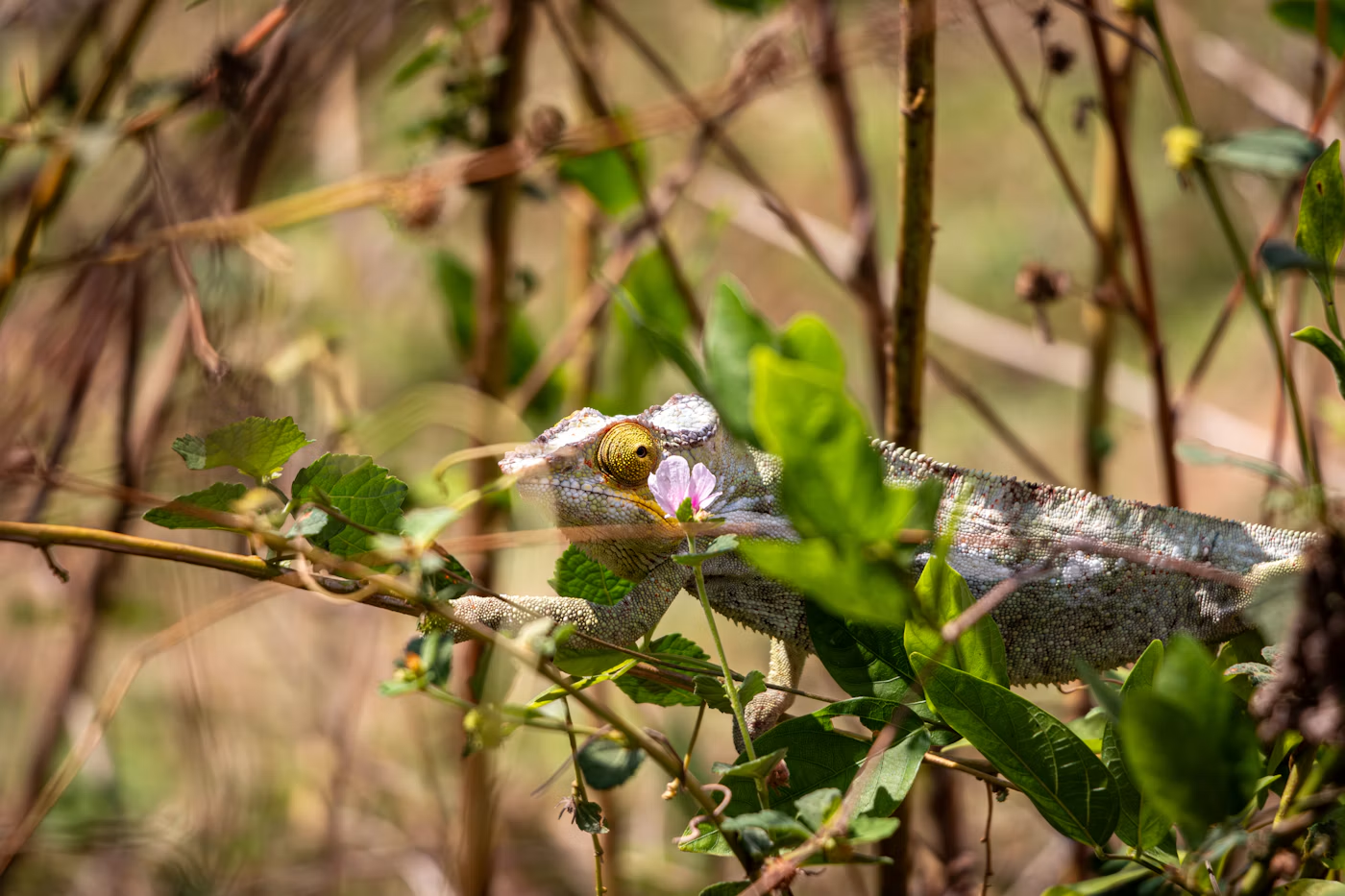
Lemurs are the stars, but they are not the only residents. With a bit of patience, you may also spot chameleons, colorful birds, and butterflies along the forest paths.
If you want to see more of Madagascar’s reptiles and forest wildlife, a guided walk in Lokobe National Park on Nosy Be is a natural next step.

Combining Nosy Komba With Other Islands
Nosy Komba works beautifully as part of a longer day at sea:
Nosy Komba + Nosy Tanikely — lemurs in the morning, then snorkeling in a marine reserve with coral, tropical fish, and sea turtles.
Nosy Komba + Nosy Sakatia — a calmer pairing, with time on the beach and the chance to see green turtles in the shallows.
Nosy Komba + whale watching — between July and November, a morning at sea can start with humpback whales and finish on the island.
Best Time To Visit Nosy Komba
Nosy Komba can be visited all year, and the lemurs are there whatever the month. The most comfortable period is generally May to November, when the weather is drier and the sea is calmer.
If you travel between July and November, you can combine the island with whale watching, which makes it one of the richest times to be in the area. Early morning is the best moment of the day for lemurs: they are more active, and the light is soft.
For a month-by-month breakdown, see Best Time to Visit Nosy Be Madagascar.
What To Bring
✓ a hat and sunglasses
✓ reef-safe sunscreen
✓ comfortable shoes for walking in the village
✓ a light rain jacket, just in case
✓ small cash for crafts and souvenirs
✓ a bag you can close securely
✓ a camera or phone with a strap
💡 Want to see how Nosy Komba fits into a full week? Download our free Nosy Be guide for a ready-made itinerary.
Discover Nosy Komba With Safari Baleine
Safari Baleine has been running marine excursions around Nosy Be since 2006, from the village of Ampangorina, on Nosy Komba itself.
Our small-group boats make it easy to combine the island with Nosy Tanikely, Nosy Sakatia, or a morning of whale watching, with a local team that knows these waters and this village well.
🌴 Ready to visit Nosy Komba?
See our safaris and excursions →
Not sure about your dates yet? Download our free Nosy Be guide
Already on the island? Call us at +261 32 74 902 80
Frequently Asked Questions
How far is Nosy Komba from Nosy Be?
Nosy Komba is a short boat ride from Nosy Be, usually around 20 to 30 minutes depending on the departure point and sea conditions.
Can you touch the lemurs on Nosy Komba?
Some lemurs are used to visitors and may come very close, but they are wild animals. Always follow your guide’s instructions and avoid grabbing or chasing them.
How long should I spend on Nosy Komba?
A couple of hours is enough to meet the lemurs and walk through the village. Many travelers combine it with Nosy Tanikely or Nosy Sakatia for a full day.
Is Nosy Komba good for families?
Yes. The short crossing, the lemurs, and the village make it a popular stop for families. Comfortable shoes and sun protection are recommended.
When is the best time to visit Nosy Komba?
May to November is the most comfortable period. Between July and November, you can combine the island with whale watching.
Final Thoughts
Nosy Komba is not a place to rush. It is a place to walk slowly, watch carefully, and remember that you are a guest in someone’s home, human or lemur.
Visit with respect, and it becomes one of the most memorable days of a trip to Nosy Be.
Publications similaires
Le requin-baleine à Nosy Be Madagascar
Imaginez plonger dans les eaux chaudes de Madagascar et vous retrouver face à face avec le plus grand poisson du…
Nosy Be vaut-elle le détour ? Le guide ultime de l’île paradisiaque de Madagascar 2026
La première chose que remarquent de nombreux voyageurs en arrivant à Nosy Be n’est pas les plages. C’est une sensation….
Les 10 meilleures choses à faire à Nosy Be Madagascar : guide de voyage ultime 2026
Située au nord-ouest de Madagascar, Nosy Be est l’une des plus belles destinations tropicales de l’océan Indien. Surnommée « l’île…
10 Best Things To Do in Nosy Be Madagascar: Ultimate Travel Guide 2026
Located in the northwest of Madagascar, Nosy Be is one of the most beautiful tropical destinations in the Indian Ocean….
What To Pack for Nosy Be
Packing for Nosy Be is mostly about sun, sea, and being comfortable on a boat. You do not need much,…