Whale Watching in Madagascar: Complete Nosy Be Guide
Every year, between July and November, the warm waters surrounding Madagascar become the stage for one of the most spectacular wildlife events on Earth: the humpback whale migration.
Thousands of humpback whales travel more than 5,000 km from the icy waters of Antarctica to the tropical shores of Madagascar to breed, give birth, and raise their calves in safety. Along the way, they put on a show few travelers ever forget — breaching, tail-slapping, and singing songs that carry for miles underwater.
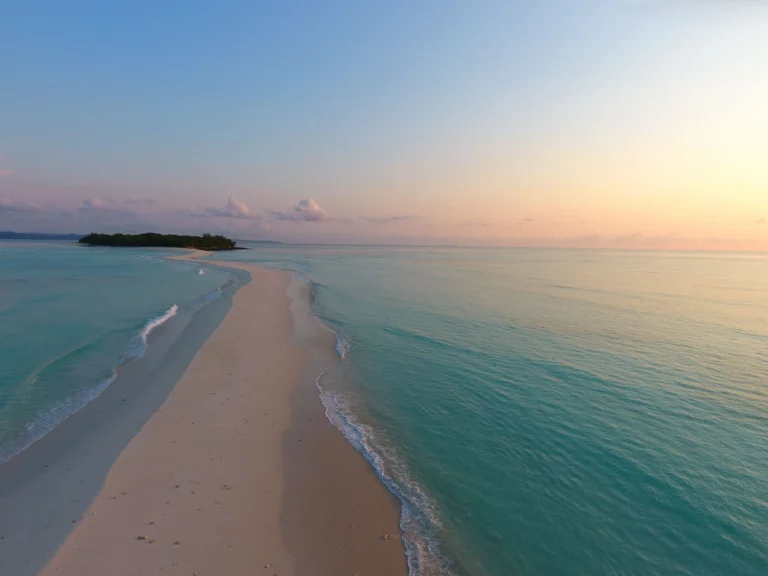
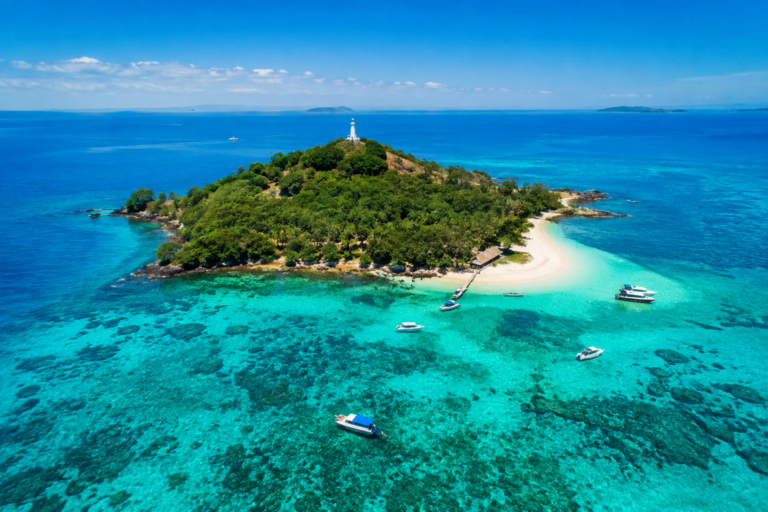
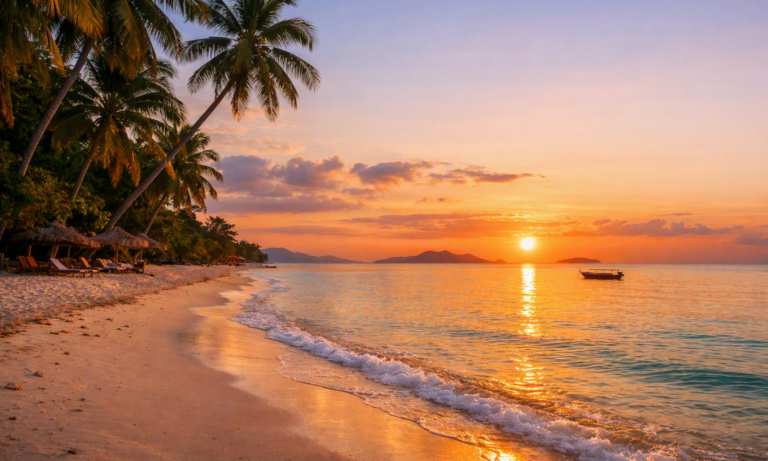
Thanks to its unique position in the Indian Ocean, Madagascar offers one of the best whale watching experiences in the world. And among all the destinations on the island, Nosy Be stands out as a top choice, thanks to its calm, sheltered waters, rich marine ecosystem, and stunning surrounding islands.
In this complete guide, you’ll find everything you need to know about whale watching in Madagascar: the best season to go, where to see them, which species you can expect, what a tour actually looks like, and how to enjoy this experience responsibly.
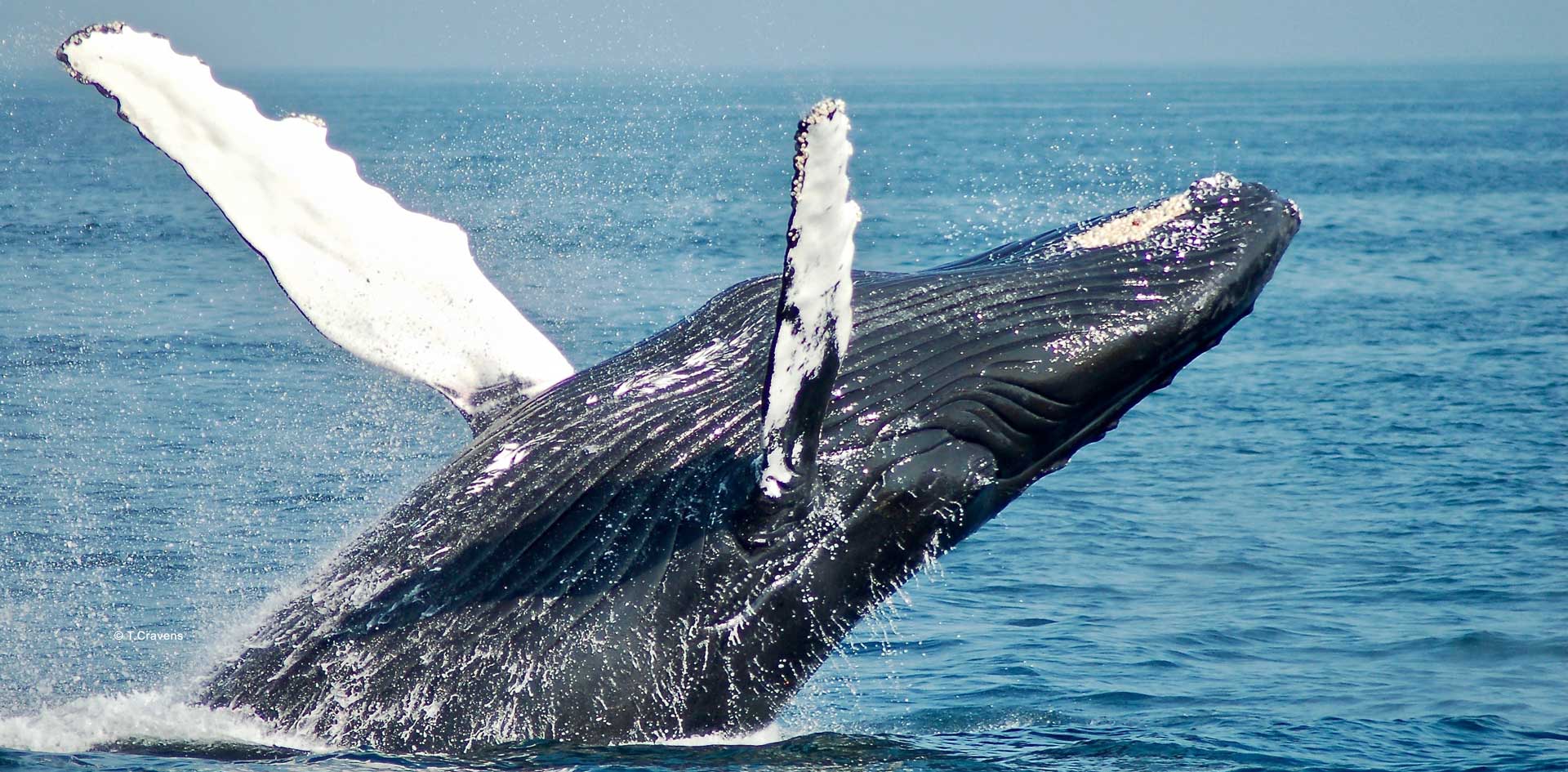
Table of Contents
- When Is Whale Watching Season in Madagascar?
- Why Nosy Be Is One of the Best Places to See Whales
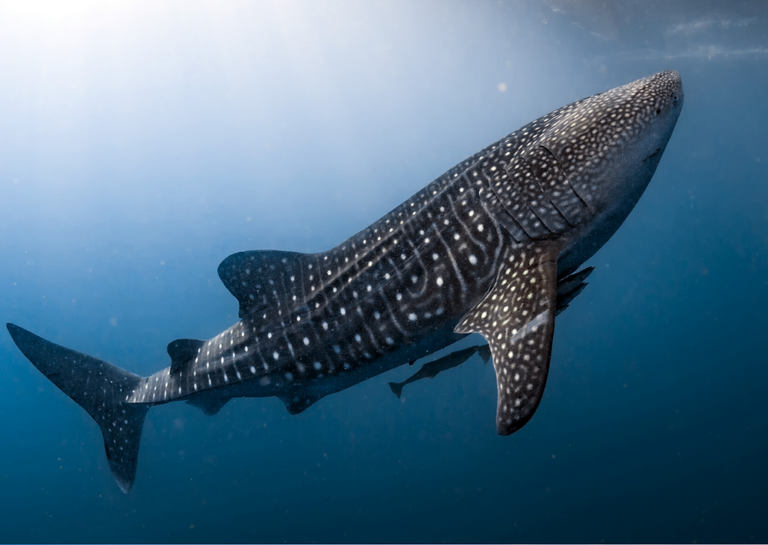
- Which Whale Species Can You See in Madagascar?
- What to Expect During a Whale Watching Tour
- Responsible Whale Watching: How to Do It Right
- Tips for Planning Your Whale Watching Trip
When Is Whale Watching Season in Madagascar?
The humpback whale season in Madagascar runs from July to November, with the peak activity generally observed between August and October. During these months, whales arrive from Antarctic feeding grounds to mate, give birth, and nurse their young in Madagascar’s warm, protected waters before making the long journey south again.
- July: The first whales begin to arrive; sightings become more frequent toward the end of the month.
- August–September: Peak season. Mothers and newborn calves are commonly seen, along with courting behavior and breaching.
- October: Excellent visibility and calmer seas; still a great time to spot whales, including calves practicing their first breaches.
- November: The season winds down as whales begin heading back toward Antarctica.
If your priority is maximizing your chances of a sighting, August and September are the best months to book your trip.
Why Nosy Be Is One of the Best Places to See Whales
Nosy Be, Madagascar’s largest and most popular island destination, offers ideal conditions for whale watching:
- Sheltered, calm waters between Nosy Be and its neighboring islets, making boat trips comfortable even for first-timers
- Shallow bays and channels that humpback whales favor for calving and nursing
- High whale density during peak season, with frequent multi-whale sightings in a single outing
- A well-developed network of local operators, many of whom follow marine wildlife viewing guidelines
- Easy access to other marine highlights, including coral reefs, sea turtles, and nearby island-hopping excursions to places like Nosy Komba and Nosy Tanikely
This combination of accessibility, marine biodiversity, and natural beauty makes Nosy Be one of the top whale watching destinations not just in Madagascar, but in the entire Indian Ocean.
Which Whale Species Can You See in Madagascar?
While the humpback whale (*Megaptera novaeangliae*) is the star of the season, Madagascar’s waters host other remarkable marine species too:
- Humpback whales known for their acrobatic breaches, tail slaps, and haunting underwater songs, especially audible during mating season
- Sperm whales occasionally spotted in deeper offshore waters
- Bryde’s whales present in Madagascar’s waters year-round, though less commonly sighted
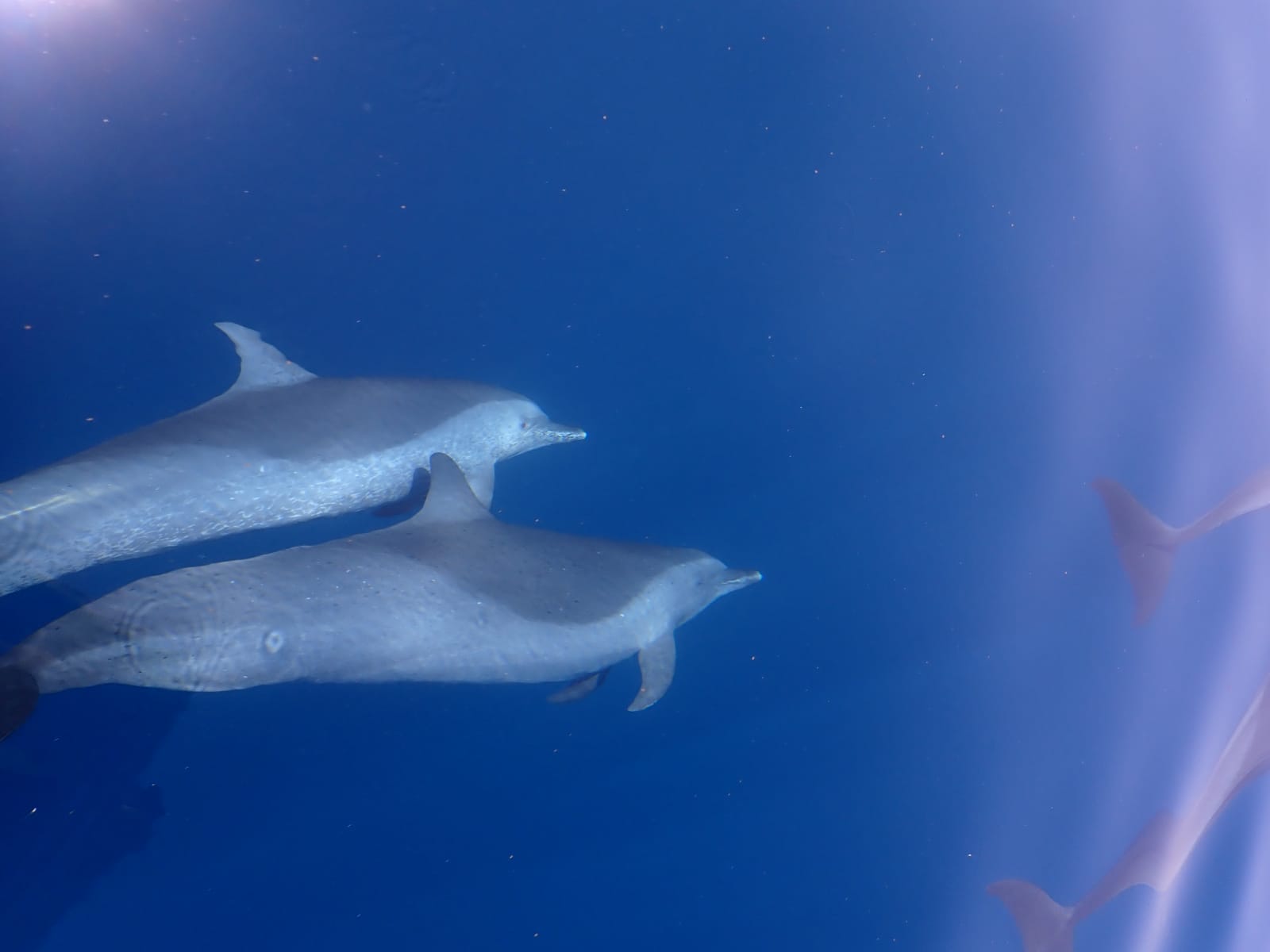
- Dolphins — spinner dolphins and bottlenose dolphins are frequently seen alongside whale watching tours
Humpback whales remain the main draw, both for their size (up to 16 meters long) and their dramatic surface behavior, which makes them especially rewarding to observe and photograph.
What to Expect During a Whale Watching Tour
A typical whale watching excursion in Nosy Be lasts between 3 and 5 hours and usually includes:
- Early morning departure from the port, when the sea is generally calmer and whale activity tends to be higher
- A briefing on whale behavior, safety guidelines, and what to look out for
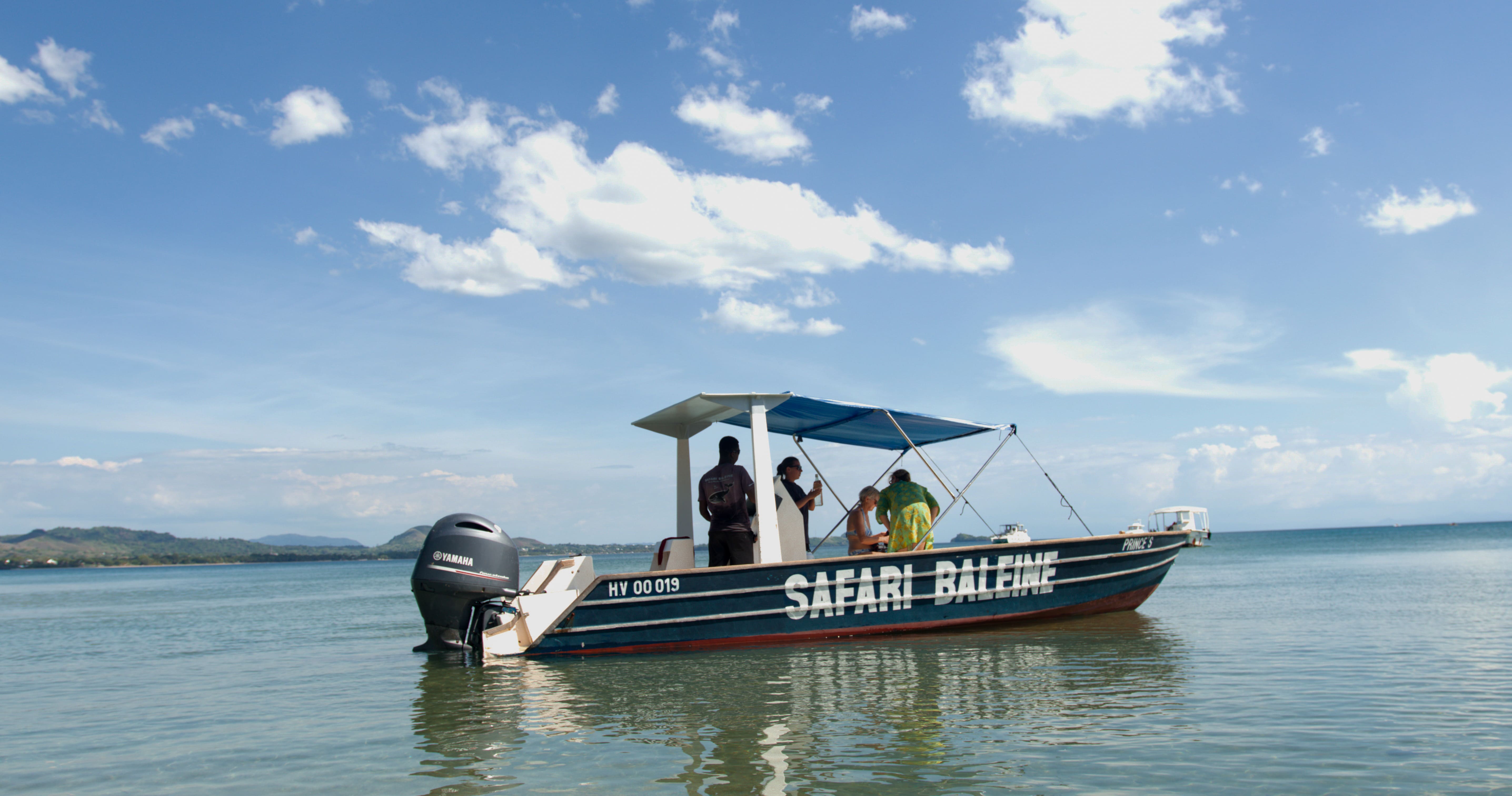
- Time on the water searching for blows, dorsal fins, and breaches, guided by experienced local captains who know the whales’ favorite areas
- Respectful observation, maintaining safe distances while giving you the best possible view and photo opportunities
- Optional add-ons, such as snorkeling stops or visits to nearby islands, depending on the tour
Bring reef-safe sunscreen, a hat, polarized sunglasses (they help you spot whales beneath the surface), and a camera with a zoom lens if you have one. Sightings are never guaranteed these are wild animals in their natural habitat but during peak season, most tours result in at least one memorable encounter.
Responsible Whale Watching: How to Do It Right
Humpback whales come to Madagascar specifically to breed and raise their young, which makes responsible viewing essential. When choosing a tour operator, look for ones that:
- Maintain a respectful distance from whales, especially mothers with calves
- Limit the number of boats approaching a single whale or pod at once
- Avoid chasing, cutting off, or crowding whales
- Follow local and international marine wildlife guidelines
- Employ local, trained guides who understand whale behavior
Choosing a responsible operator doesn’t just protect the whales — it also leads to calmer, more natural behavior, which usually means a better experience for you too.
Tips for Planning Your Whale Watching Trip
- Book in advance during August and September, the busiest weeks of the season
- Combine your tour with other Nosy Be highlights, such as Lokobe Reserve or the Mitsio Islands, to make the most of your stay
- Choose a half-day tour if you’re short on time, or a full-day excursion if you want to combine whale watching with snorkeling or island stops
- Pack light, breathable clothing, plus a windbreaker for the boat ride
- Stay flexible whale sightings depend on weather and the whales’ own movements, so morning departures and multi-day stays improve your odds
Ready to See the Whales of Madagascar?
Few wildlife experiences compare to watching a humpback whale breach against the backdrop of Madagascar’s turquoise waters. With the right season, the right location, and a responsible operator, Nosy Be offers one of the most extraordinary marine encounters on the planet.
Réservez votre excursion baleines à Nosy Be dès maintenant →