Wildlife in Madagascar: Amazing Animals You Can See Around Nosy Be 2026
There are places in the world where nature feels different. Where animals are not just something you see behind glass or in a documentary. They are part of the landscape. Part of the journey. Part of the story.
Madagascar is one of those places.
Separated from the African continent for millions of years, the island has developed one of the most unique ecosystems on Earth. More than 80% of Madagascar’s wildlife species are found nowhere else on the planet.
But what makes the island even more extraordinary is that this biodiversity continues beyond the coastline. Around Nosy Be, the ocean becomes another world to explore. A place where travelers can encounter giant humpback whales, peaceful whale sharks, playful dolphins, ancient sea turtles, colorful tropical fish, and unique lemurs.
For nature lovers, Nosy Be is not simply a beach destination. It is a gateway to some of Madagascar’s most unforgettable wildlife experiences.

Why Is Madagascar’s Wildlife So Unique?
Madagascar is often called the « eighth continent » because of its extraordinary biodiversity. Millions of years of isolation allowed species to evolve in completely unique ways.
The island is home to over 100 species of lemurs, thousands of plant species, unique reptiles, rare birds, and incredible marine ecosystems.
Unlike many destinations where wildlife requires long journeys into remote areas, Nosy Be offers something special: a chance to experience both land and ocean wildlife in one destination. One morning you can be watching whales offshore. The next day you can walk through tropical forests searching for lemurs.
Marine Wildlife Around Nosy Be
The waters surrounding Nosy Be are among the richest marine environments in Madagascar. The Indian Ocean around the island attracts incredible species throughout the year.
Humpback Whales: The Giants of Madagascar’s Ocean
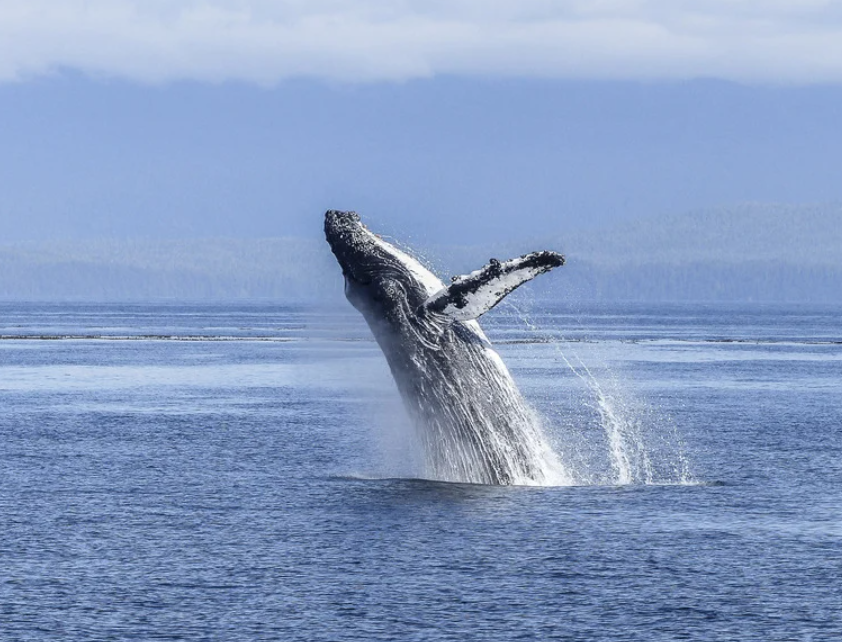
Every year, humpback whales travel thousands of kilometers from Antarctica to the warm waters of Madagascar. Between July and November, these magnificent animals arrive to reproduce, give birth, and protect their calves.
Seeing a humpback whale in the wild is a completely different experience from seeing one in a documentary. The first sign is often the sound — a powerful breath breaking the silence of the ocean. Then a huge shape appears. A tail rises. Or sometimes, a 30-ton animal launches itself completely out of the water.
These encounters are among the most unforgettable wildlife experiences in Madagascar.
The Omura’s Whale: One of the Ocean’s Best-Kept Secrets
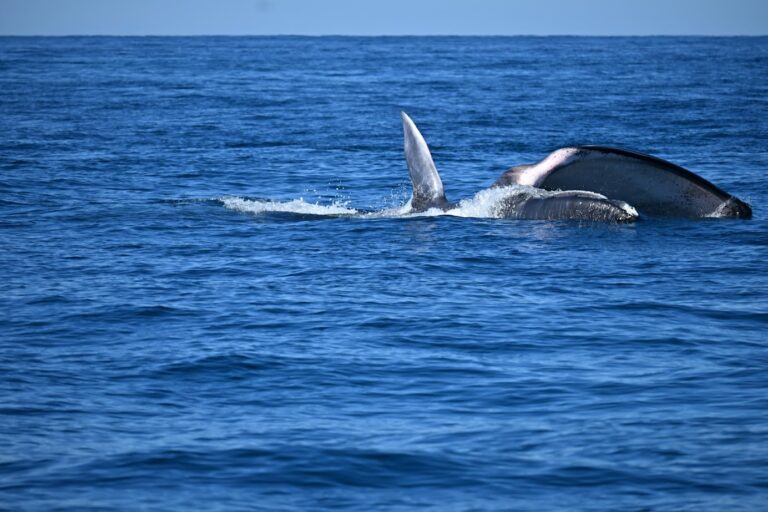
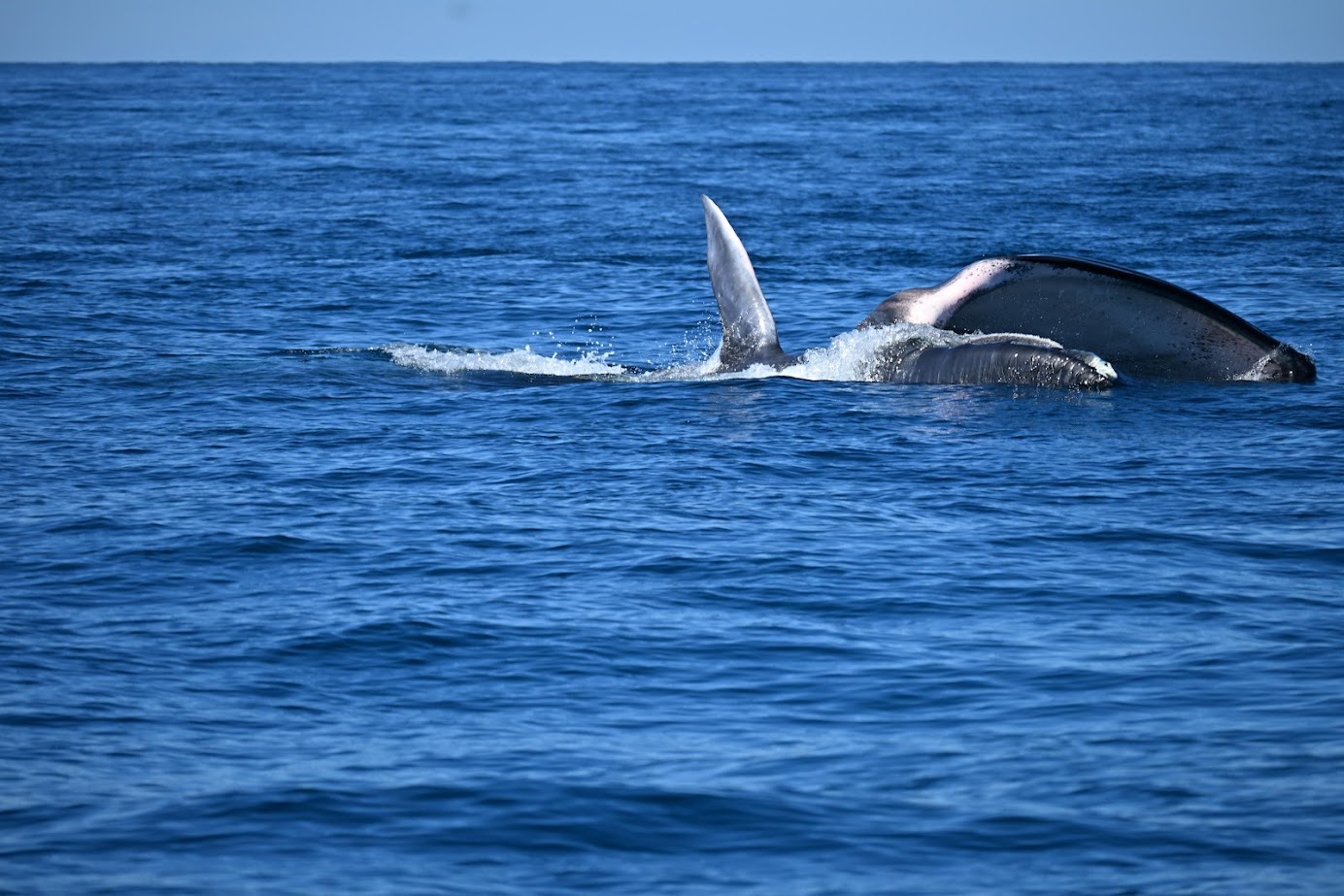
Far less known than the humpback, the Omura’s whale is one of the rarest and most recently identified whale species on Earth. First described by a team of Japanese scientists in 2003, its presence in the waters around Nosy Be was only officially confirmed by the World Conservation Society in 2015.
Measuring between 10 and 15 meters and weighing 15 to 20 tons, Omura’s whales are slender, discreet animals that rarely show their tail fluke, making them far harder to spot than a breaching humpback. Their presence here is a reminder of just how much is still being discovered in these waters.
Whale Sharks: Swimming With The Largest Fish In The World
Despite their name, whale sharks are not whales. They are the largest fish species on Earth, and one of Nosy Be’s most incredible attractions.
During September to December, whale sharks gather around Nosy Be to feed in the rich tropical waters. Swimming alongside one of these gentle giants is a moment travelers rarely forget.
A whale shark can reach more than 12 meters long. Yet these animals are peaceful filter feeders, feeding mainly on plankton and tiny marine organisms.
Dolphins: The Playful Travelers of the Ocean
Dolphins are often spotted around Nosy Be. Seeing a group of dolphins approaching a boat is one of the magical moments of any ocean excursion. They may swim alongside the boat, jump through the waves, or disappear and return moments later.
Several species share these waters, from the shy humpback dolphin to the curious bottlenose, each with its own personality — a diversity local marine guides often point out to first-time visitors, since not every dolphin sighting looks the same.
Their intelligence and curiosity make every encounter special.
Sea Turtles: Ancient Travelers of the Ocean
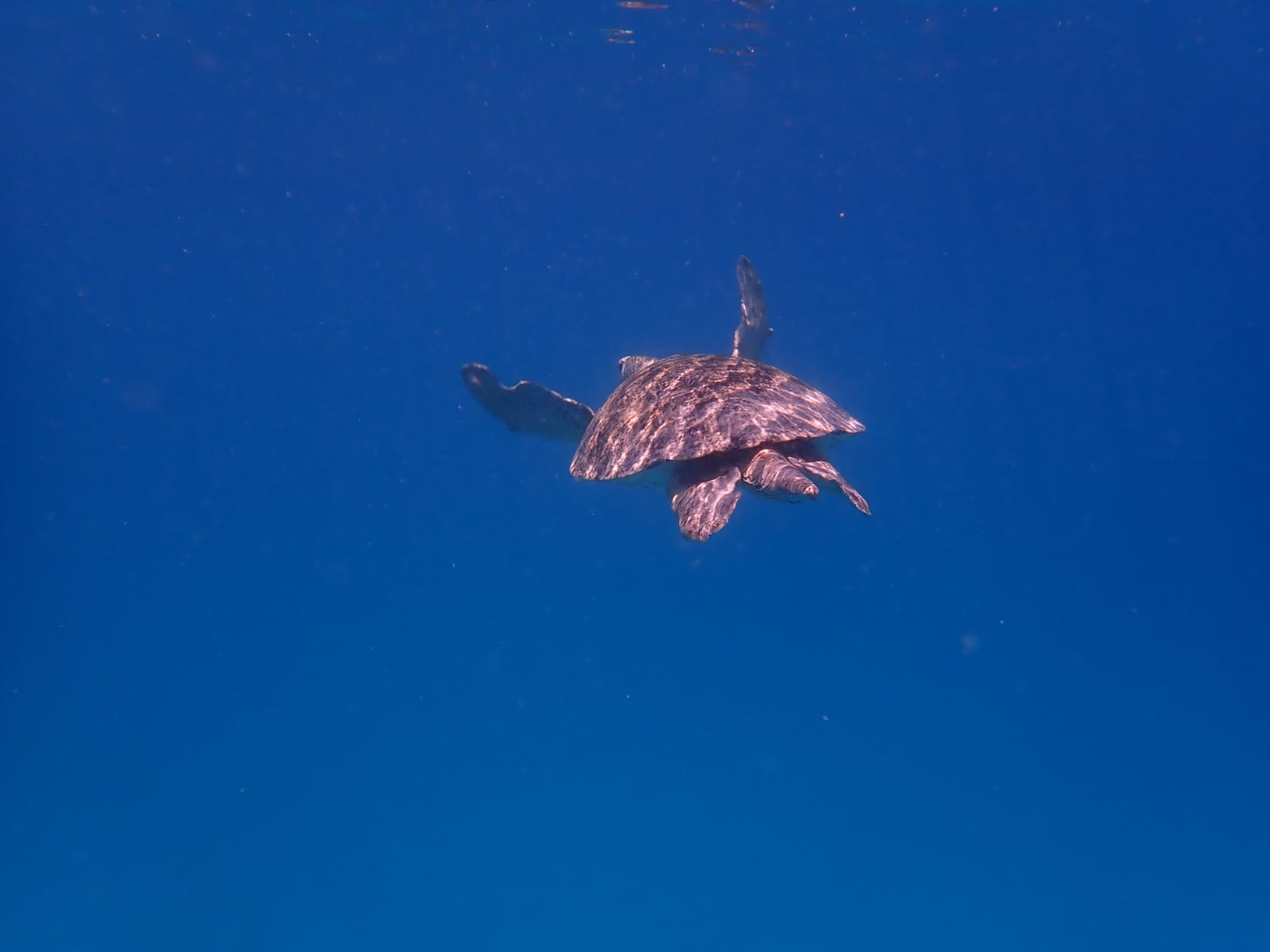
Sea turtles have existed for millions of years. Around Nosy Be, visitors may encounter species such as green turtles and hawksbill turtles.
They can often be seen while snorkeling or exploring marine reserves, sometimes grazing peacefully in shallow seagrass beds close to shore. Watching a turtle peacefully moving through crystal-clear water is a reminder of how old and fragile our oceans are.
Tropical Fish and Coral Reefs
The waters around Nosy Be are home to hundreds of tropical fish species. Snorkeling areas such as marine reserves offer opportunities to observe colorful reef fish, coral formations, sea stars, and smaller marine creatures.
For beginners, the underwater world around Nosy Be is accessible and impressive. You do not need to be an experienced diver to discover Madagascar’s marine beauty.
Lemurs: Madagascar’s Most Famous Animals
When people think of Madagascar wildlife, one animal usually comes first: the lemur.
These unique primates exist only in Madagascar. Around Nosy Be, visitors can discover them on islands such as Nosy Komba, known as the « Lemur Island », which offers opportunities to observe black lemurs in a natural island environment.
The experience is not only about seeing an animal. It is about understanding Madagascar’s relationship with nature. Local communities have lived alongside these animals for generations.

Lokobe National Park: Exploring Madagascar’s Ancient Forest
Located on Nosy Be itself, Lokobe National Park protects one of the island’s last remaining primary forests. Inside the park, visitors can discover lemurs, reptiles, birds, tropical plants, and unique ecosystems.
Walking through Lokobe feels like entering another world. The forest is alive. Every sound tells a story. A movement in the trees. A bird calling above. Leaves moving as an animal passes.
Chameleons and Reptiles
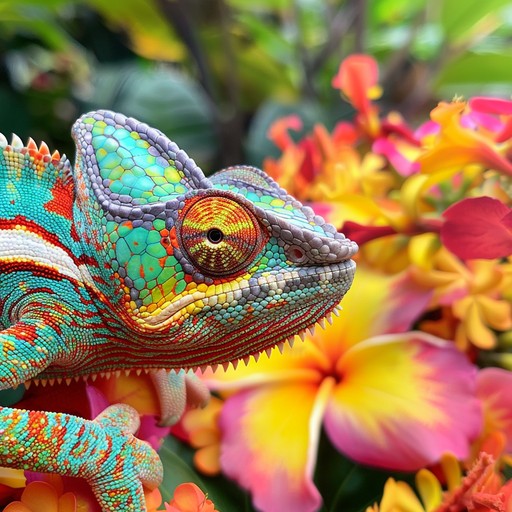
Madagascar is famous for its incredible reptiles. The island contains many species of chameleons, geckos, snakes, and frogs. Some species are found nowhere else on Earth.
Their colors, adaptations, and behaviors make them fascinating subjects for photographers and nature lovers.
The Best Time To See Wildlife Around Nosy Be
Wildlife experiences change depending on the season.
July – November — best for humpback whales, island exploration, and calm ocean conditions.
September – December — best for whale sharks, whales, and marine biodiversity.
May – November — best overall period for comfortable weather, boat excursions, snorkeling, and wildlife observation.
Responsible Wildlife Tourism in Madagascar
Seeing wildlife is a privilege. But these experiences must always respect animals and ecosystems.
Responsible tourism means keeping safe distances from animals, never touching marine wildlife, avoiding pollution, respecting protected areas, and choosing experienced local operators — the kind of standards written into regional guidelines such as the local whale shark approach charter, which several Nosy Be operators, including Safari Baleine, helped draft.
The goal is not simply to see animals. It is to protect the places where they live.
Why Nosy Be Is One of Madagascar’s Best Wildlife Destinations
Madagascar has many incredible regions. But Nosy Be offers something unique: a concentration of experiences in one place.
In the same trip, visitors can discover whales in the open ocean, whale sharks underwater, lemurs in tropical forests, turtles near coral reefs, and island landscapes that look untouched.
Few destinations combine marine and terrestrial wildlife so easily.
Discover Madagascar Wildlife With Safari Baleine
For more than 17 years, Safari Baleine has explored the waters around Nosy Be and helped travelers discover Madagascar’s incredible marine world.
The ocean around Nosy Be changes every day. No two excursions are exactly the same. One morning may bring a humpback whale encounter. Another may reveal dolphins traveling alongside the boat. Another may offer a magical moment swimming above a whale shark.
Our local team shares these experiences with respect for nature and a deep knowledge of the environment. Because discovering Madagascar’s wildlife is not just about seeing animals. It is about understanding a unique ecosystem and protecting it for the future.
🐋 See this wildlife for yourself
Explore our safaris and excursions →
Want to plan your trip around wildlife season first? Download our free Nosy Be guide
Already on the island? Call us at (+261) 32 74 90 280
Frequently Asked Questions
What animals can you see in Nosy Be?
Visitors can see whales, whale sharks, dolphins, turtles, lemurs, tropical fish, and many other species.
What is the most famous animal in Madagascar?
The lemur is Madagascar’s most famous animal, but the island is also known for its incredible marine wildlife.
Can you see whales in Nosy Be?
Yes. Humpback whales are usually seen between July and November.
Can you swim with whale sharks in Nosy Be?
Yes. Whale shark encounters are usually possible between September and December.
Is Nosy Be good for wildlife lovers?
Yes. Nosy Be is one of the best destinations in Madagascar for combining marine and land wildlife experiences.
Final Thoughts
Madagascar is a country where nature has written its own rules.
Millions of years of isolation created animals found nowhere else. The forests tell stories through lemurs and chameleons. The ocean tells stories through whales and whale sharks. And around Nosy Be, travelers have the rare opportunity to experience both worlds.
A trip here is not only about visiting an island. It is about meeting a living ecosystem. One that remains wild, unique, and unforgettable.
Madagascar’s wildlife is waiting beyond the horizon.